
Sports Development: Team Imo Showed Up. The System Failed—As Always
ThankGod Emeh…
Imo SWAN celebrates Team Imo’s courage at the 2nd Niger Delta Games while raising urgent concerns about last-place performance, crumbling facilities, collapsed grassroots sports, technical gaps, athlete welfare, and the need for professional administration and accountability.
The sun rose slowly over Benin City on the final day of the 2nd Niger Delta Games, casting long shadows across the arena—shadows that seemed to tell the story of Team Imo long before the final medals were counted.
They had come not as favorites, not as the best prepared, but as fighters.
From the first whistle to the final race, the athletes of Imo State carried more than just ambition—they carried resilience shaped by adversity. They trained where they could, not where they should. They adapted where others had structure. And when it mattered most, they delivered.
Five gold. Eight silver. Eighteen bronze.

Thirty-one medals carved out of difficulty.
Each one told a story.
A sprinter pounding on concrete instead of a standard track.

A swimmer rising to the podium without ever training in an Olympic-size pool.
A team forced to leave its own state just to prepare adequately.
These were not just victories—they were statements.
Yet, when the curtain fell, the reality was stark: ninth place. Last on the table.
Not for lack of talent—but for lack of system.
This is not to diminish the efforts of those within the system, but to highlight the urgent need for a more coordinated and effective approach.
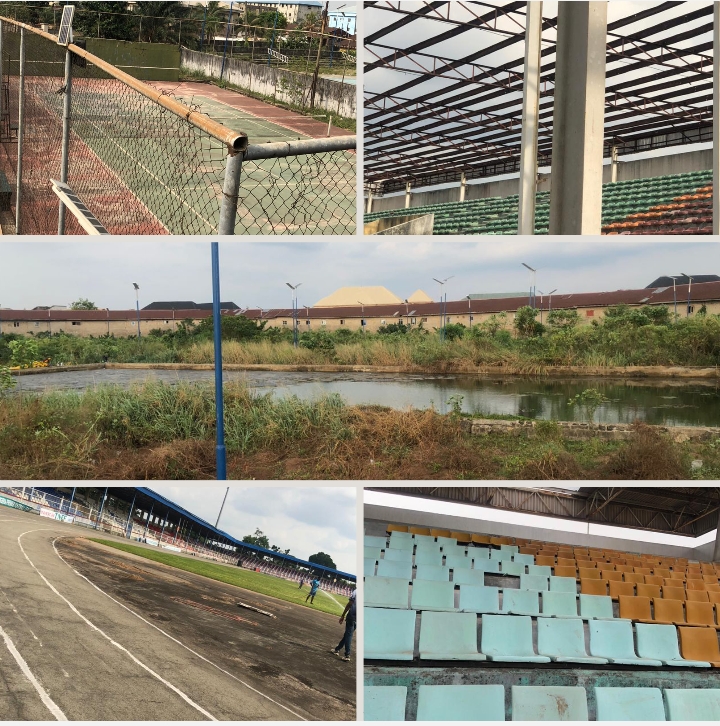
Because back home in Owerri stands Dan Anyiam Stadium—once a proud symbol of excellence, now a fading memory of what used to be. Its tracks are gone. Its facilities broken. Its promise diminished. Athletes who should be refining technique are instead battling survival conditions.
Nearby, the Grasshoppers International Handball Stadium, once alive with triumphs, now sits in neglect—its silence louder than any cheering crowd.

And within the same complex lies an unfinished dream: an abandoned swimming pool project, a hollow reminder of opportunities left incomplete.


Still, the athletes rose.
They trained without proper tools.
They competed without excuses.
They carried the pride of a state that has yet to fully carry them.
But resilience has its limits.

Because beyond the medals lies a deeper crisis—one that begins at the grassroots. Once, school sports and community competitions formed the backbone of talent discovery. Today, those structures have faded, leaving a generation without a clear pathway to greatness.
Even more telling, many athletes of Imo origin now represent other states—seeking the opportunities unavailable at home.
The cracks extend further than meets the eyes, as every thing now seem political and all worth not in the world of sports and sports development.
A shortage of modern, qualified coaches continues to hold athletes back. Aging personnel remain without replacement. Systems meant to nurture talent struggle to evolve. Welfare for athletes remains uncertain, with many competing long past their prime without structured transition into coaching or mentorship roles.
And at the center of it all lies administration—often disconnected from the realities of sport, lacking the technical depth required to drive meaningful progress.

These concerns carry significant weight, having been critically reviewed and unanimously adopted at the last Congress of the Sports Writers Association of Nigeria (SWAN), Imo State Chapter.
The Congress holistically scrutinized the deteriorating state of major sports—including athletics, football, handball, basketball, tennis, and swimming—culminating in its communiqué as a firm and collective verdict on the deep-rooted challenges confronting sports development in Imo State.
At this point, the call is clear: the Imo State government must take deliberate responsibility by putting the right people in the right positions—placing round pegs in round holes as required for genuine sports development, not treating the sector as a ground for political settlements at the expense of raw talents and the future the state collectively aspires to.
While acknowledging efforts made in supporting participation at the Games, the outcomes clearly show that more strategic and sustained investment is required, and Imo SWAN remains committed to working with the government and relevant stakeholders to drive the reforms needed to reposition sports in Imo State.
Yet, despite everything, one truth remains undeniable: the talent is there. The spirit is alive. The potential is unquestionable.
What is missing is structure. What is lacking is investment.
What is needed is accountability.
Because if Team Imo can win 31 medals under these conditions, then the question is no longer about ability— It is clearly about responsibility.

Responsibility to rebuild facilities.
Responsibility to revive grassroots sports.
Responsibility to invest in coaching and athlete welfare.
Responsibility to manage resources transparently.
This is not just a story of performance.
It is a moment of reckoning.
The athletes have done their part.
Now, the system must answer.
SHARE WITH YOUR BROTHERS, SISTERS & NEIGHBOURS!!!

Discover more from NEWS CORNER
Subscribe to get the latest posts sent to your email.
About author

You might also like
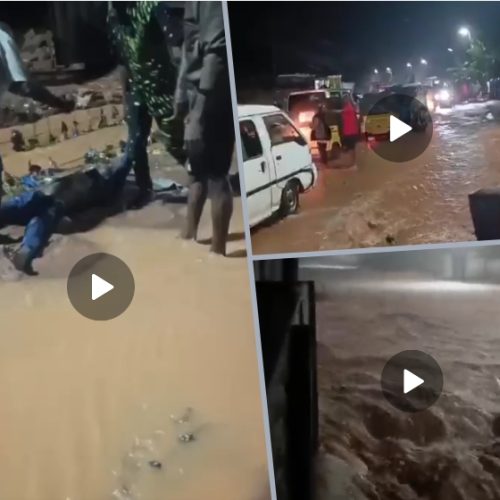
Flood Devastates Ukwuinyi Nnanano Nkwerre Community, Residents Cry Out for Government Intervention
Share on WhatsApp By Chika Uju. The people of Ukwuinyi Nnanano Nkwerre in Nkwerre Local Government Area of Imo State have appealed to the State Government for urgent intervention following
SHARE WITH YOUR BROTHERS, SISTERS & NEIGHBOURS!!!


NANS Elections: Profile Of Comrade Nduka Chibueze (Aluta Paparazzi)
Share on WhatsApp The Man With Great Vision For Selfless Service To Humanity. He Deserves To Be Voted For Comrade Nduka Chibueze, popularly known as Aluta Paparazzi, is a dedicated
SHARE WITH YOUR BROTHERS, SISTERS & NEIGHBOURS!!!


NBAWF pays courtesy visit to Imo Deputy Governor …advocates for women lawyers welfare
Share on WhatsApp By Grace Ofurum Nigerian Bar Association Women Forum NBAWF Imo state chapter has pledged their unalloyed support to the office of the Imo state deputy governor, Dr.
SHARE WITH YOUR BROTHERS, SISTERS & NEIGHBOURS!!!

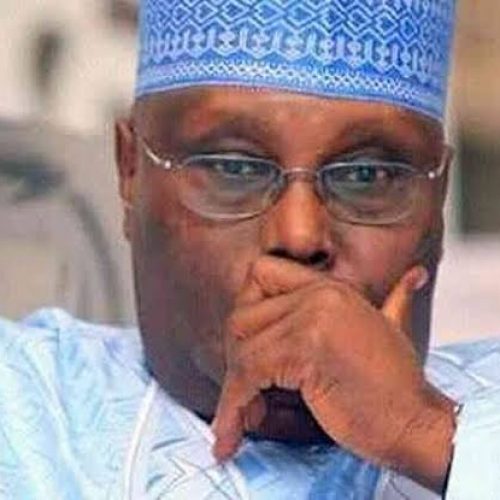
I Fought A Good Fight For The Nigerian People – Atiku
Share on WhatsApp The presidential candidate of the Peoples Democratic Party (PDP), Atiku Abubakar has said that he fought a good fight and will not relent for Nigeria and democracy.
SHARE WITH YOUR BROTHERS, SISTERS & NEIGHBOURS!!!


Christmas: Okey Ezeh Urge Imolites to keep hope alive.
Share on WhatsApp The governorship candidate of the Social Democratic Party, SDP, in Imo State, Sir Okey Ezeh has said that 2019 will be a covenant year for the people
SHARE WITH YOUR BROTHERS, SISTERS & NEIGHBOURS!!!

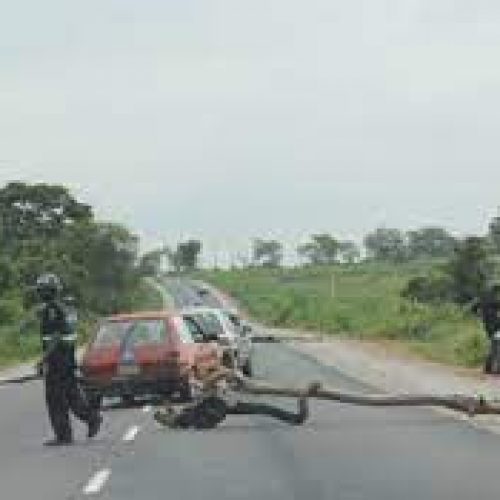
Police Checkpoints: NUF-Youth Wing Call For Implementation of Hon Chidioka’s Motion
Share on WhatsApp Nkemdirim Alisigwe. An Igbo socio-political organization, Ndi-Igbo United Forum Youth Wing has called for the immediate implementation of Hon. Obinna Chidoka’s motion requesting the Inspector-General of Police


0 Comments
No Comments Yet!
You can be first to comment this post!