
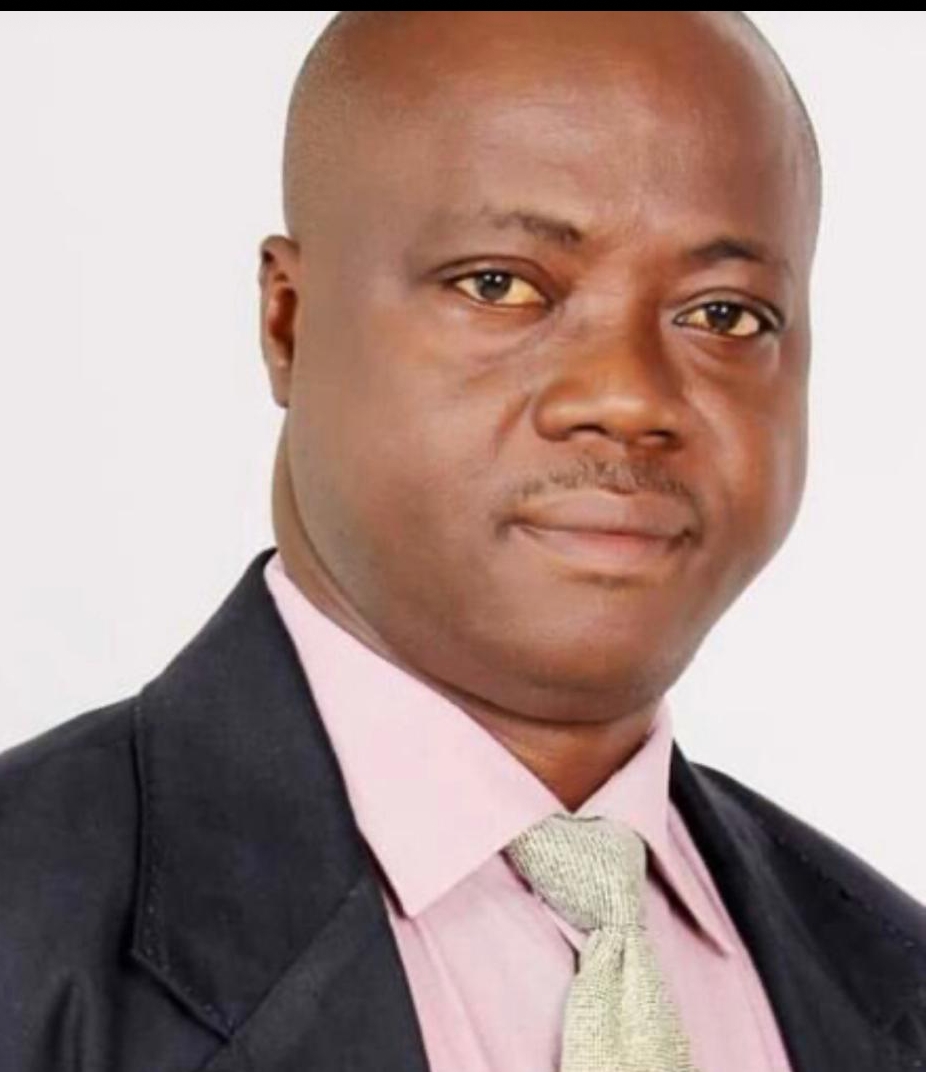
Nigeria Democracy and the Minimum Wage: Striving for Economic Justice and Fairness
By: NseAbasi, Peter (JP)…
IMMEDIATE PAST CHAIRMAN, GUILD OF MEDICAL LABORATORY DIRECTORS (GMLD) IMO STATE BRANCH.
Introduction:
Nigeria, a diverse and resource-rich country in Africa, has a complex history of democracy and economic challenges. One crucial aspect of this complexity is the determination of fair and sustainable minimum wages for the country’s workforce. The interplay between democratic governance, economic policies, and labor rights significantly influences the formulation and implementation of minimum wage laws in Nigeria.
Historical Context of Democracy in Nigeria:
Nigeria’s journey towards democratic governance has been marked by a series of transitions, starting from independence in 1960.
The country has experienced periods of military rule interspersed with civilian administrations, with the most recent democratic dispensation commencing in 1999. Despite the challenges, Nigeria has made significant strides in consolidating its democratic institutions, with regular elections, peaceful transfers of power, and an active civil society.
Minimum Wage in Nigeria:
The issue of minimum wage in Nigeria has been a subject of debate and contention over the years. The minimum wage represents the lowest wage rate that employers are legally required to pay their employees, as stipulated by law or collective bargaining agreements. In 2018, Nigeria’s government approved a new minimum wage of 30,000 Naira per month (approximately $83 USD), a substantial increase from the previous rate.
This adjustment was intended to enhance the living standards of Nigerian workers and address income inequality concerns. However, many stakeholders argue that the current minimum wage level remains inadequate to meet the escalating cost of living, particularly in urban centers.
Democracy and Minimum Wage:
Democracy plays a pivotal role in shaping minimum wage policies in Nigeria. A democratic system provides avenues for workers to voice their concerns and advocate for fair wages through trade unions, civil society organizations, and political representation. It enables the enactment of laws that safeguard workers’ rights and ensure a decent standard of living for all citizens.
Moreover, a democratic framework fosters transparency, accountability, and social dialogue in the formulation and implementation of wage policies.
Challenges and the Way Forward:
Despite the progress made in recent years, several challenges persist in ensuring that the minimum wage in Nigeria is both equitable and effectively enforced. Factors such as inflation, informal labor markets, weak enforcement mechanisms, and non-compliance by employers pose significant obstacles to achieving economic justice for workers.
To address these challenges, concerted efforts are needed to strengthen labor market regulations, enhance monitoring and enforcement mechanisms, and foster a culture of compliance among employers.
Additionally, promoting skills development, job creation, and economic diversification can help improve overall wage levels and reduce income disparities in the country.
In conclusion, the nexus between democracy and the minimum wage in Nigeria reflects the ongoing struggle for economic justice and fairness. As Nigeria continues its democratic evolution, it is imperative to prioritize the welfare of workers through equitable wage policies, inclusive governance, and sustainable economic development strategies. By upholding the principles of democracy, social justice, and inclusive growth, Nigeria can advance towards a more prosperous, equitable, and inclusive society for all its citizens, ensuring that no one is left behind in the pursuit of national development and progress.
Moving forward, it is essential for policymakers, labor unions, employers, and civil society organizations to collaborate in addressing the root causes of wage inequality and working towards a more equitable and just society. Strengthening the social protection system, investing in education and skills development, and promoting decent work conditions are crucial steps towards ensuring that all Nigerian workers can enjoy a dignified standard of living. Moreover, fostering a culture of dialogue, cooperation, and mutual respect among all stakeholders is key to achieving sustainable progress in the realm of labor rights and economic justice.
Furthermore, as Nigeria strives to diversify its economy and reduce its dependence on oil revenues, there is a need to create more formal job opportunities, particularly in sectors with high growth potential. This can help absorb the growing workforce and reduce the prevalence of informal and precarious employment, which often leads to substandard wages and poor working conditions. By promoting entrepreneurship, innovation, and investment in key sectors such as agriculture, manufacturing, and technology, Nigeria can unlock new sources of economic growth and create a more inclusive and resilient labor market.
In conclusion, the quest for economic justice and fairness in Nigeria’s minimum wage policies is intrinsically linked to the country’s democratic governance, social development, and economic prosperity. By upholding the principles of democracy, human rights, and social equity, Nigeria can build a more inclusive and sustainable society where all citizens have the opportunity to thrive and contribute to the nation’s progress. Through collaborative efforts, policy reforms, and a commitment to social dialogue, Nigeria can overcome the challenges posed by wage inequality and pave the way for equity and prosperity of its workforce.
SHARE WITH YOUR BROTHERS, SISTERS & NEIGHBOURS!!!

Discover more from NEWS CORNER
Subscribe to get the latest posts sent to your email.
Warning: count(): Parameter must be an array or an object that implements Countable in /home/mynewsco/public_html/wp-content/themes/trendyblog-theme/includes/single/post-tags-categories.php on line 7
About author

You might also like
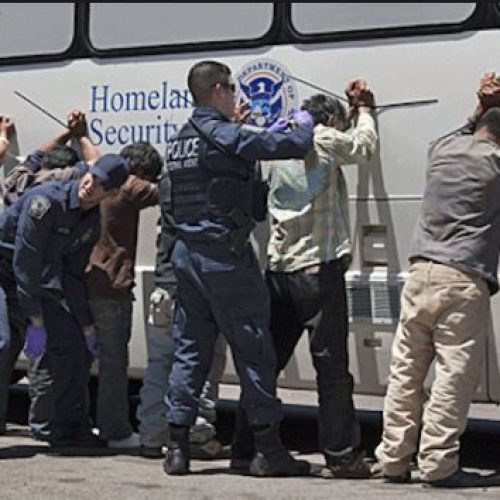
US Braces for ICE Raids in 10 Major Cities Today
Share on WhatsApp United States Immigration agents are planning to target newly settled migrant families, the majority of whom are without a criminal record. Residents across the United States spent Saturday
SHARE WITH YOUR BROTHERS, SISTERS & NEIGHBOURS!!!


Group decries destruction, death in Emeabiam youth crisis …Wants Govt, security agencies to ensure peace reigns
Share on WhatsApp Imo Media Forum has condemned the unfortunate clash between youths in Emeabiam Community, which reportedly led to the death of a youth over disagreement on the leadership
SHARE WITH YOUR BROTHERS, SISTERS & NEIGHBOURS!!!


Alleged attack: Assa community debunk allegations, says PG not hiding, no attack on Govt officials
Share on WhatsApp Following the speculation on social media that the President General of Assa autonomous community in Ohaji/Egbema LGA, Comr. Evans Reward has gone into hidden over an alleged
SHARE WITH YOUR BROTHERS, SISTERS & NEIGHBOURS!!!


REFLECTIONS on the Man Nnamdi Kanu –By Chimamanda Ngozi Adichie
Share on WhatsApp As people continue to react to the re-arrest of the Leader of Indigenous People of Biafra, IPOB -Maazi Nnamdi Kanu, world Literary Icon, Chimamanda Ngozi Adichie has
SHARE WITH YOUR BROTHERS, SISTERS & NEIGHBOURS!!!

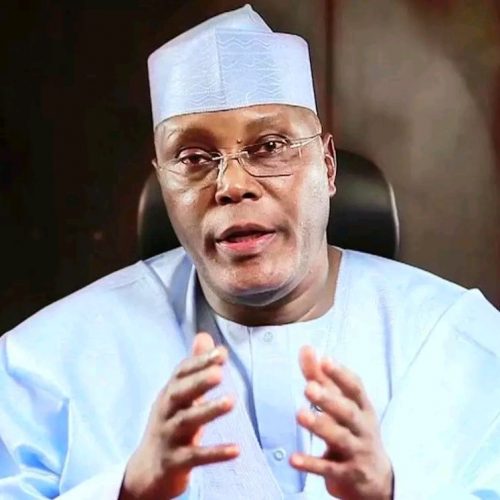
Nigeria@59: ‘All Is Not Well With Nigeria,’ Atiku Cries Out
Share on WhatsApp Former Vice President Atiku Abubakar has decried what he described as an attack on the judiciary and absence of press freedom in the country. In a statement
SHARE WITH YOUR BROTHERS, SISTERS & NEIGHBOURS!!!


Amb Chika Uju Marks 59th Birthday in Pomp Amid Cheers from Family, Friends
Share on WhatsApp ThankGod Emeh… The cheering news of the banquet thrown to mark the 59th birthday of Ambassador Chika Uju; a renowned journalist, woman leader, activist and humanitarian on


0 Comments
No Comments Yet!
You can be first to comment this post!