
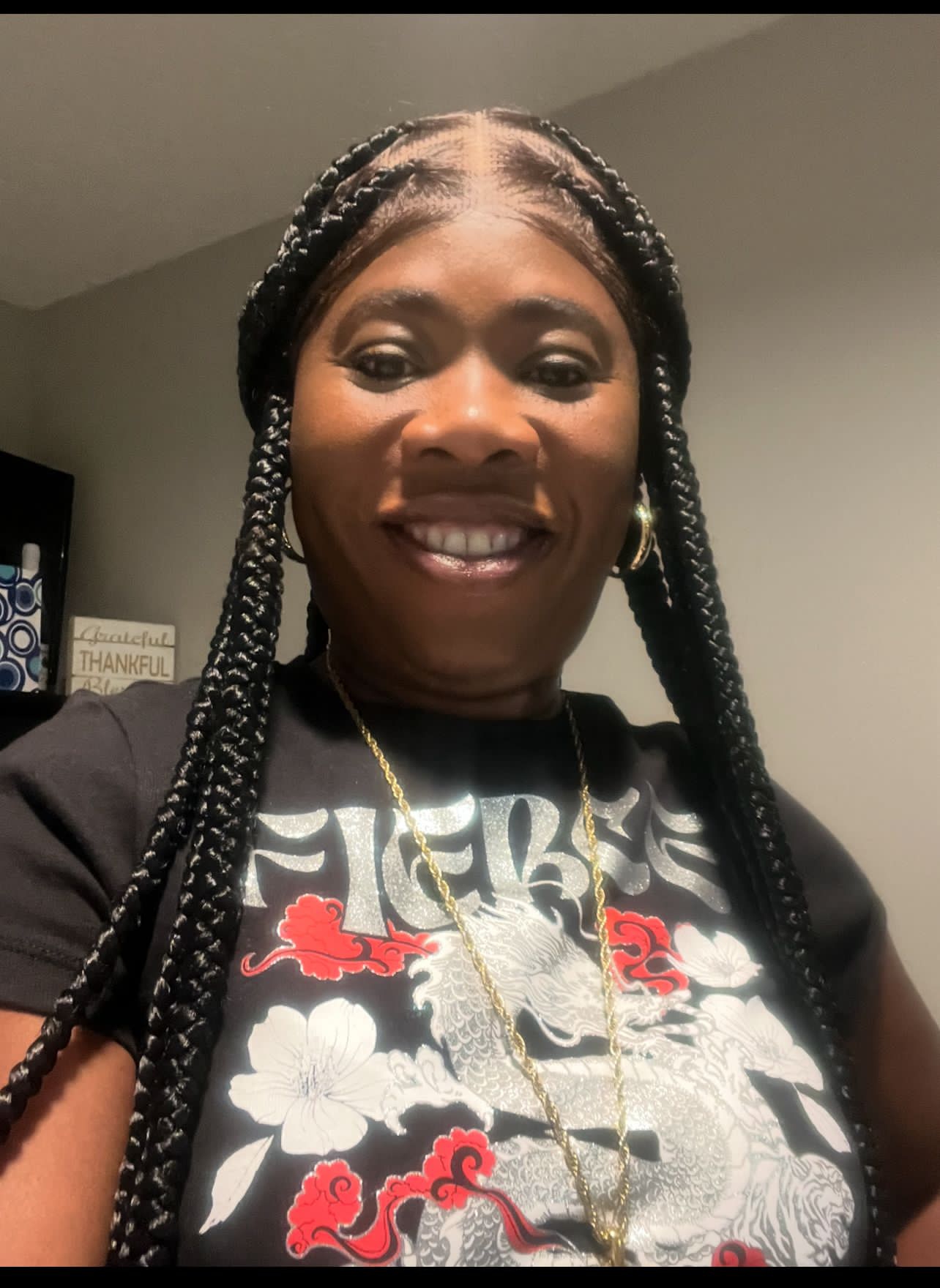
None of Us Is Better Than All of Us: A Journey of Inclusive Research and Leadership
Preface
In 2021, I embarked on a journey that would reshape not only my academic path but also my vision of education, equity, and technology. This book shares my life experiences as a researcher, educator, and leader, with a focus on inclusive education and AI-driven solutions. It is written for both disabled and non-disabled students—because none of us is better than all of us.
Chapter 1: The Power of Collective Strength
Meaning of the phrase “None of us is better than all of us”.
My background: experiences as a woman in education and computer science.
Early challenges faced by students with disabilities in classrooms.
How my life experiences shaped a belief that inclusive progress is shared progress.
Chapter 2: 2021—The Turning Point
My academic and professional experiences at NMHU in 2021.
The challenges faced by struggling learners I supported.
Discovering the limitations of traditional teaching models.
Spark of research interest: how could AI provide new opportunities?
Chapter 3: Research Endeavors in Inclusive Education
Exploration of machine learning and reinforcement learning.
Designing research for students with disabilities.
Goals: building models that personalize learning paths.
How my research addresses equity gaps highlighted in New Mexico schools.
…
Integration of multicultural and legal perspectives (Martinez/Yazzie lawsuit, NM School Finance Act).
Chapter 4: Bridging Disabled and Non-Disabled Learners
Case studies: classrooms with mixed learning abilities.
Creating adaptive content delivery (e.g., text-to-speech, visual aids, AI tutors).
Research on peer mentoring and collaborative learning.
Principles: empathy, accessibility, and equity.
Chapter 5: The Goal I Want to Solve
The problem statement:
Struggling learners (disabled or otherwise) are left behind due to rigid systems.
Limited technology integration in underserved schools.
The goal:
Build AI-driven, culturally responsive solutions that adapt to individual learners.
Empower educators with tools, not replacements.
Reduce dropouts and increase confidence among marginalized students.
Chapter 6: The Research Mode and Model
Methodology of my work:
Literature review in inclusive education and AI.
Experimental frameworks using Python, TensorFlow, PyTorch.
Collaboration with teachers, administrators, and communities.
Proposed model:
AI-driven Reinforcement Learning Classroom Support System (RL-CSS).
Personalized feedback loops.
Integration with existing curricula.
Chapter 7: Stories of Resilience
Narratives of students with disabilities I worked with.
Examples where adaptive tools made a difference.
How non-disabled peers benefited equally from inclusivity.
Lessons learned: humility, patience, and teamwork.
Chapter 8: Leadership, Equity, and Democracy in Education
My philosophy of leadership: “True leadership uplifts—it never intimidates.”
Role of equity in education: access for all learners.
Democracy in classrooms: giving every voice value.
How inclusive education models prepare students for civic and professional life.
Chapter 9: Future Directions
The global implications of inclusive AI research.
Policy recommendations for universities and K–12 schools.
Building cross-cultural, international collaborations.
How my future research will continue this journey.
Chapter 10: Call to Action
To disabled students: Your abilities are not defined by your limitations.
To non-disabled students: Your strength grows when you lift others up.
To educators: Technology is a bridge, not a barrier.
To policymakers: Invest in inclusive technology to build equity for generations.

Conclusion
The journey of my life and research since 2021 proves that no individual achievement compares to collective success. We thrive not in isolation but together. None of us is better than all of us.
References
SHARE WITH YOUR BROTHERS, SISTERS & NEIGHBOURS!!!

Discover more from NEWS CORNER
Subscribe to get the latest posts sent to your email.
Warning: count(): Parameter must be an array or an object that implements Countable in /home/mynewsco/public_html/wp-content/themes/trendyblog-theme/includes/single/post-tags-categories.php on line 7
About author

You might also like

IMO NIPR Members Celebrate NIPR Diamond Anniversary Amid Excitement
Share on WhatsApp By Destiny Akunesi… It was with great excitement that members of Imo Chapter of NIPR, turned out en masse in a colourful atmosphere to celebrate the 60th
SHARE WITH YOUR BROTHERS, SISTERS & NEIGHBOURS!!!

Seasoned Broadcaster, Tony Anyanwu loses Father
Share on WhatsApp A seasoned Broadcaster with Ozisa 96.1 FM Owerri, Anthony Ajuzieogu Anyanwu has lost his Father, Mr. Christian Uchechi Anyanwu. A native of Umuodoko Oboama Ezinihitte Mbaise, Uche
SHARE WITH YOUR BROTHERS, SISTERS & NEIGHBOURS!!!


Problems of Owerri-Aba and Owerri,Port-Harcourt roads to be over soon -Rochas Okorocha
Share on WhatsApp Meanwhile, Governor Rocahas Okorocha said the Owerri/Aba road and Owerri/Port-Harcourt road that have become death–traps for users would now be fixed without delay, disclosing that the Minister
SHARE WITH YOUR BROTHERS, SISTERS & NEIGHBOURS!!!


7 killed, houses razed as Christian, Muslim youths clash in Kaduna
Share on WhatsApp Sola Ojo, Kaduna Nofewer than seven persons were feared killed while several others were injured as a result of violent clashes that erupted between Christian and Muslim
SHARE WITH YOUR BROTHERS, SISTERS & NEIGHBOURS!!!

Music Plagiarism: COSON Appeals to NCC to Help Members Reap Royalty
Share on WhatsApp Ikenna Orioha To strengthen hardwork, intellectual ingenuity and talent exhibition among young people, Stakeholders and members of the Copyright Society of Nigeria, COSON, Owerri chapter, have appealed
SHARE WITH YOUR BROTHERS, SISTERS & NEIGHBOURS!!!


Tributes as NUJ Bids Farewell to Former Chairman, Chigbokwu Theophilus Okenze
Share on WhatsApp By Vivian Iwu…It was a moment of deep reflection and solemnity as members of the Nigeria Union of Journalists (NUJ), Imo State Council, led by their Chairman,


0 Comments
No Comments Yet!
You can be first to comment this post!