
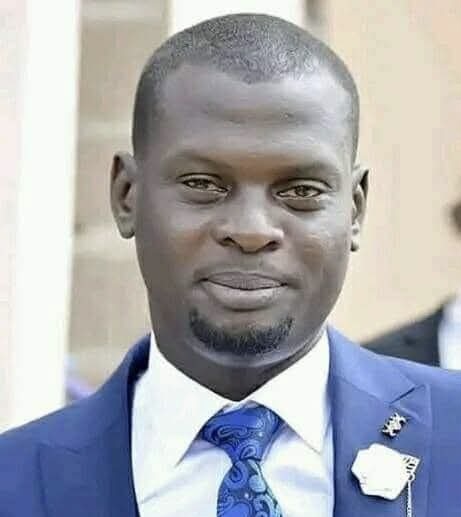
Tribute to Channels TV Cameraman, Kani Ben: When The Camera Falls Silent
By Shu’aibu Usman Leman
There are moments in the life of a nation when words feel insufficient, when language strains under the weight of loss. This is one of those moments.
Nine days ago, in a piece titled The Ink Bleeds Again, I warned that the cost of documenting power in Nigeria was becoming unbearably high. I wrote then with anxious hope, praying that those in critical condition would recover, and that our familiar tragedy would not claim another name; that warning was not rhetorical, It was a plea.
Today, that plea echoes back as lament.
The death of Kani Ben, a cameraman with Channels Television, is not merely another headline in our weary catalogue of national grief. It is the grim confirmation that the ink I spoke of has indeed bled into loss. It is a stark reminder that in Nigeria, even those who document history are not safe from becoming its casualties.
Kani was not a man of loud opinions. He spoke through images. Through his lens, we witnessed ribbon cuttings, policy launches, and declarations of progress. He framed optimism carefully, capturing the theatre of governance as it unfolded across the North East. Yet behind the steady hand that held the camera was a professional navigating the perilous reality of our roads, our logistics, and our indifference to safety.
For years, I have observed a troubling pattern. The press is summoned to bear witness to achievement, but little thought is given to the cost of that summons. Journalists and crew members are too often treated as incidental—necessary for publicity, yet invisible in planning. Transport is improvised. Safety protocols are assumed rather than assured. Risk is normalised.
We must confront an uncomfortable truth, that this culture persists because we have allowed it to persist.
When I wrote The Ink Bleeds Again, I hoped it would serve as a mirror—an urgent reflection that might provoke change before grief became irreversible. Instead, it now reads like a preface to this mourning.
A news story is never worth a life. No commissioning ceremony, no speech, no carefully choreographed display of development justifies a journey undertaken without adequate protection. When institutions—whether governmental or corporate—invite journalists into their orbit, they assume a duty of care. That duty cannot be rhetorical. It must be practical, structured, and enforceable.
The loss of Kani Ben should force us to reconsider what we mean by professionalism. Professionalism is not merely punctual attendance and technical excellence; it is the creation of conditions in which professionals can perform their duties without unreasonable danger. If we truly value the media as a pillar of democracy, then safeguarding its practitioners must become non-negotiable.
There is also an introspection required within our own ranks. We have, at times, internalised the hazards of the job as though they were badges of honour. We speak casually of dangerous assignments, unreliable transport, and impossible deadlines. We pride ourselves on resilience. But resilience should not mean resignation.
The silence that follows a death such as this is often filled with condolences and promises. Yet silence can also signal complicity if it is not followed by reform. We must demand clear safety standards for press engagements. We must insist on accountability when those standards are ignored. And we must cultivate a professional culture that empowers journalists to refuse unsafe conditions without fear of reprisal.
Kani Ben devoted his career to ensuring that others were seen and heard. In his passing, we must ensure that he is neither reduced to a fleeting tribute nor absorbed into routine tragedy. His death is not only a loss; it is the fulfilment of a warning we should have heeded.
The camera has fallen silent, the frame is empty. What remains is our responsibility.
If we do not act—collectively and decisively—the ink will bleed again. And next time, we may once more pretend we were not warned.
Shu’aibu Usman Leman
is a former National Secretary of
Nigeria Union of Journalists-NUJ
SHARE WITH YOUR BROTHERS, SISTERS & NEIGHBOURS!!!

Discover more from NEWS CORNER
Subscribe to get the latest posts sent to your email.
Warning: count(): Parameter must be an array or an object that implements Countable in /home/mynewsco/public_html/wp-content/themes/trendyblog-theme/includes/single/post-tags-categories.php on line 7
About author

You might also like

Imo COVID-19 Task Force to Tighten Surveillance Along State’s Boundary
Share on WhatsApp The Imo State Covid-19 Task Force on Thursday promised to tighten surveillance along the state’s boundary to check illegal movements of people in and out of the
SHARE WITH YOUR BROTHERS, SISTERS & NEIGHBOURS!!!


‘Acharaman’ Rebrands Record Label, Stage name, Now Addressed as “The Jewel”
Share on WhatsApp ThankGod Emeh. One of Owerri’s finest and frontline musicians, formerly known as Acharaman has announced changes in his stage name and record label as part of his
SHARE WITH YOUR BROTHERS, SISTERS & NEIGHBOURS!!!

NDF Country Director Congratulates Hon. Barr. Rex Anunobi on His new Appointment
Share on WhatsApp The Nigeria Diaspora Forum, NDF’s Country Director in Abuja Nigeria Hon. Chike Amadichi has congratulated Hon. Barr. Rex Anunobi (Sokom) on his new appointment as the Honourable
SHARE WITH YOUR BROTHERS, SISTERS & NEIGHBOURS!!!


Gov. Okorocha reacts to killing of Chief Ejeagwu, place 20m bounty on arresting culprits
Share on WhatsApp The Imo state Governor, Rochas Okorocha has said that the gruesome murder of the All Progressives Congress, APC, Chairman in Ideato-North Local Government Area, Chief Sunny Ejeagwu
SHARE WITH YOUR BROTHERS, SISTERS & NEIGHBOURS!!!


Mikel Obi sends strong message to President Buhari
Share on WhatsApp Super Eagles captain, John Mikel Obi, has sent a strong message to President Muhammadu Buhari-led Federal Government regarding the security situation in the country. He spoke in
SHARE WITH YOUR BROTHERS, SISTERS & NEIGHBOURS!!!


President Buhari Recieves 7 Governors in London with beaming smiles.
Share on WhatsApp President Muhammadu Buhari, beaming with smiles and life, has received in audience seven Nigerian governors who left Nigeria Tuesday night to visit him in London, where he


0 Comments
No Comments Yet!
You can be first to comment this post!